


Safeguarding and FII
We know that many UK families with children who have PANS and PANDAS are currently subject to safeguarding referrals or allegations of Fabricated or Induced Illness (FII).
The factors behind why this is happening are multiple and complex, but the impact on families is simple; families who are already struggling to support a medically complex child are being further traumatised by being blamed for their child’s illness. We have worked with social work and education professionals to create the following resources:
For parents and caregivers
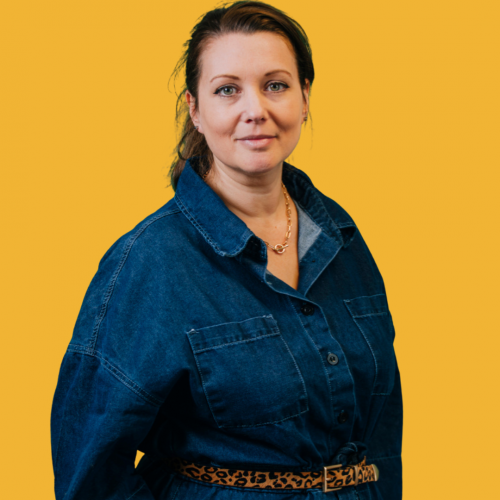
Kelly Jarvis
Head of consultancy – Sunshine Support
Families dealing with complex medical conditions like PANS and PANDAS often face scepticism or misunderstanding from professionals. In rare cases, this can lead to serious allegations, including professional confusion regarding Fabricated or Induced Illness (FII). Kelly’s webinar explores ways to advocate for your child, how to communicate clearly and safely with professionals, and how to navigate FII investigations.
Previously the Head of a highly specialist residential school for Autistic children, Kelly has valuable experience in fulfilling EHCPs in order to ensure the best possible outcome. Kelly also trains school leaders and advocates in representing their educational establishments at SENDIST tribunals, and has been powerfully advocating for families at Sunshine Support since 2021.
For social work, healthcare and education professionals
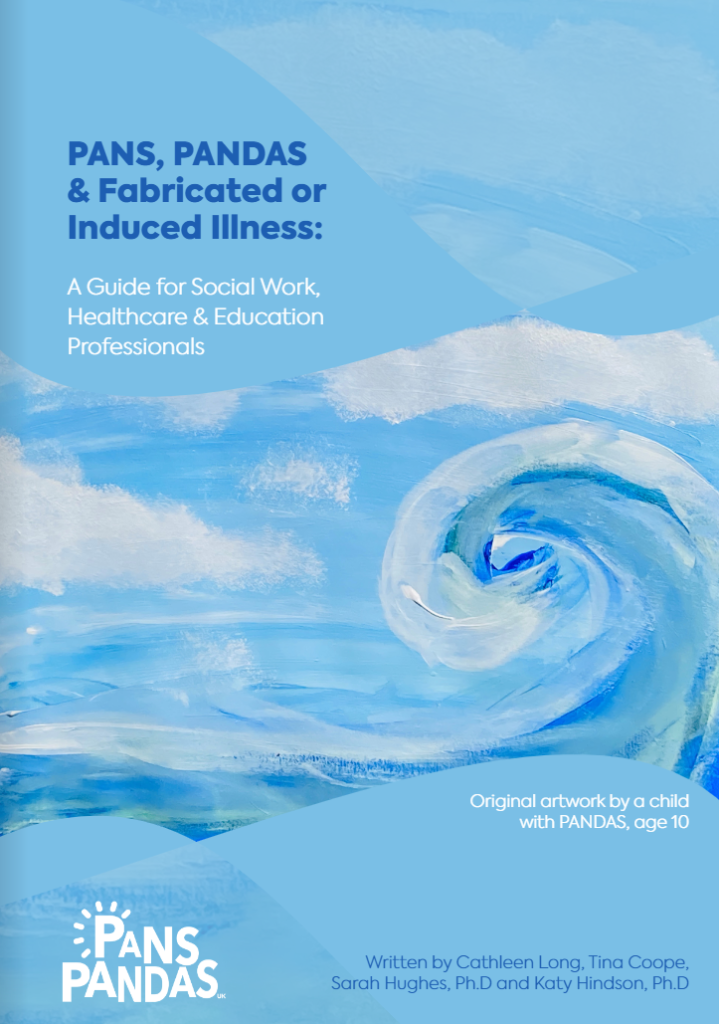
In collaboration with Cathleen Long (independent social worker and co-author of the recent British Association of Social Work’s practice guidance on FII and Perplexing Presentations), PANS PANDAS UK have written a guide for social work, healthcare and education professionals.
What does the guide cover?
- This guide sets out the reasons why so many PANS and PANDAS families are unfairly being accused of harming their children.
- It explores what professionals can do differently to ensure that all children are kept safe without unnecessarily targeting families of children with medical conditions.
- It makes recommendations about how professionals can work collaboratively and in a trauma-informed way to assess any children presenting with symptoms of these post-infectious disorders.
