
Guest blog by Ellen Adby
Ellen first experienced symptoms of PANS aged 13 years old. Now 25, she wanted to write a guest blog to share her story and advice with other young people with PANS or PANDAS who are considering their options for further education.
PANS, PANDAS and further education
I left school having only taken three GCSEs; not enough to get on any Level 3 college courses or to start A Levels locally. This was disappointing as I wanted to keep up with my friends and I felt like I was falling further behind.
I was also frustrated because I had the correct grade range, that I’d worked hard for, but because I hadn’t taken enough subjects, the colleges wanted me to start at a lower level. At the time, it felt like the end of the world.
I chose to do a Level 1 Art course for pupils with Special Educational Needs and Disabilities, taught in an easy, very relaxed, informal environment. I also took part in a free government-run online outreach scheme called Cyber Discovery; designed for young students with an interest in cyber security. The scheme finished in 2021, but there are similar resources and opportunities on Cyber First, a programme by the National Cyber Security Centre (NCSC).
By the time I was 17, I wanted to catch up with my peers, so I signed up with the National Extension College, studying my A levels from home. Using their materials to teach myself was hard but also freeing and one of my healthiest years because I wasn’t surrounded by germs. My coursework grades were really good (A-B’s) but I didn’t do so well when it came to exam day, finishing with C,D and E; although, considering I was self-taught I’m still quite proud of that. If you have an Education, Health and Care Plan (EHCP) or an Individual Development Plan (IDP) and feel studying online would be the most appropriate route for you, you might also be able to get your course funded via your local authority.
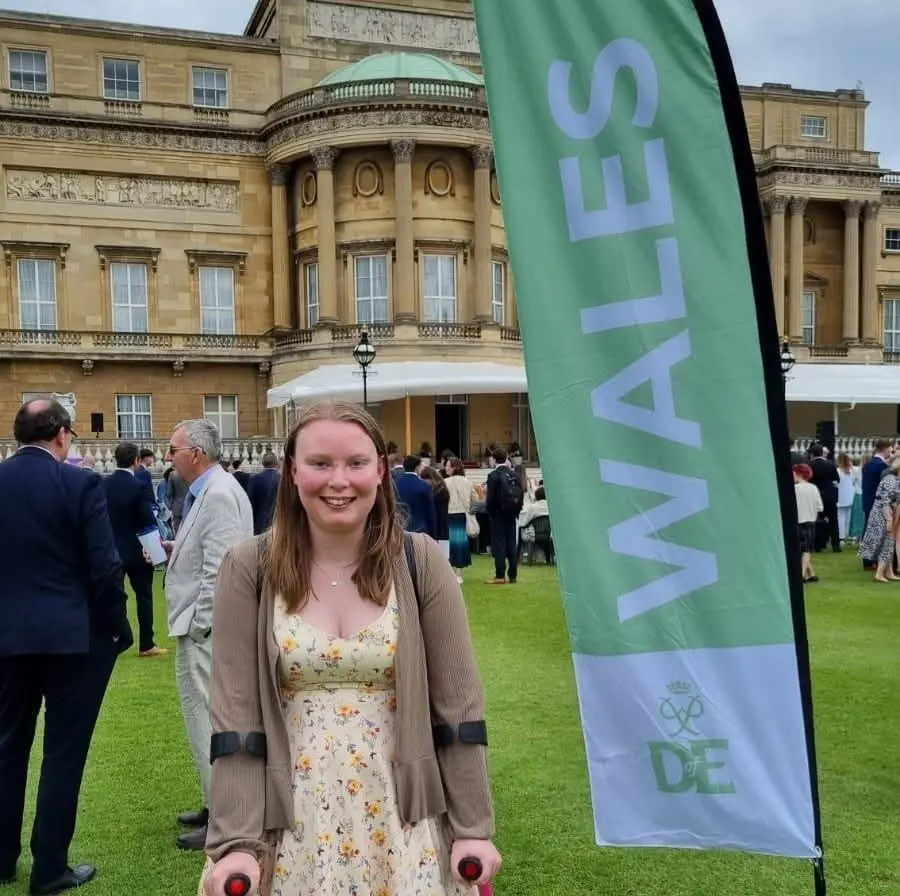
“There are many times I’ve felt that something going wrong is the end of the world, I can promise you it is not. There is hope, and things do get better.”
I got into my chosen university, which was local, so I didn’t have to move out. If I had needed to move out, I wouldn’t have been able to attend an in-person university. I applied for disabled student allowance (DSA) to support my studies. Through this, I was given recording software so I could listen back to lectures and software to help with referencing and spell-checking, along with a study skills mentor to help with organising and structuring my assignments. I was also given the ability to extend deadlines if needed, and I would not be marked down if my attendance was low. I was really enjoying my first year, but my tics meant I was uncomfortable using buses to get to campus. I had great concern that I might accidentally punch someone on the bus, through my tics, so my mum ferried me back and forth instead.
Midway through my second semester, COVID-19 hit and we all automatically passed our current modules; then our second year was taught online. Honestly, if the second year hadn’t been online, I don’t think I would have managed it. At the start of my third year, I withdrew from my studies due to being too unwell. I took a break from studying for a while and started my own business running social media accounts for businesses. It was through doing this that I met a health professional working with young people with tics, who pointed me in the direction of a paediatrician who diagnosed me with PANS. Before this, I had a long list of misdiagnoses, and I had been getting worse each year. Since the diagnosis, I have been slowly getting better each year.
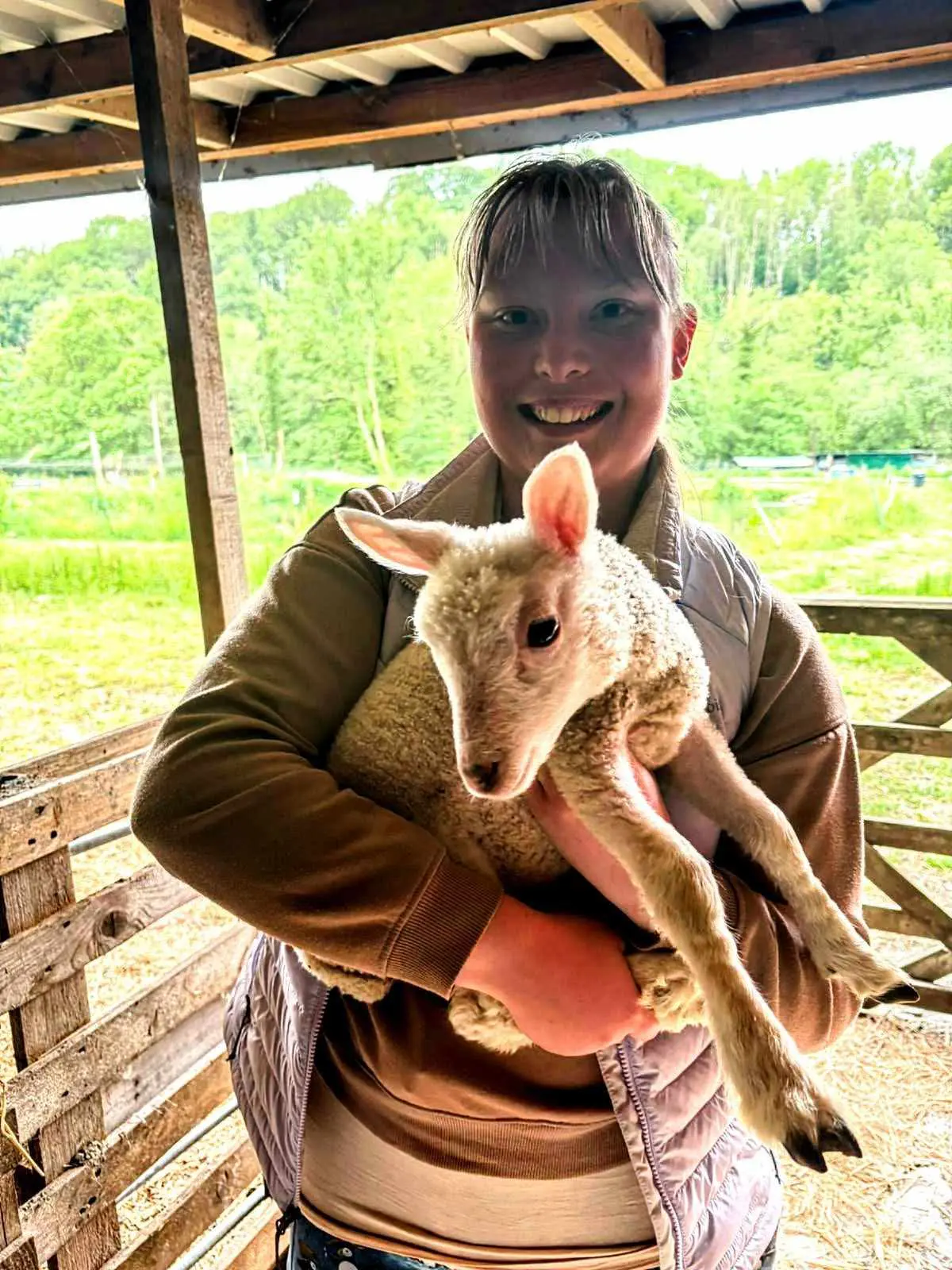
“I’ve worked to find places in my local community like my local young farmers club, and a Pilates class; these give me a chance to socialise and to feel more independent “
During my break from studying, I joined a pilot scheme run by the Duke of Edinburgh’s Award (DofE). The organisation usually offers adventurous, outdoor-based expeditions, but this was a trial of an online, accessible version. For the expedition, I collaborated with a group of peers to design and complete a research study looking at barriers to the DofE and what could be done to reduce them. Our expedition took us two years and was entirely online.
While, as far as I know, they haven’t rolled out online expeditions, the organisation has since made positive changes to improve accessibility. For example: participants can return home to sleep or stay in indoor accommodation, expeditions can take place either in rural terrain or in an urban setting, leaders can use transport to move participants around dangerous obstacles like major roads, and participants can attend with a carer. These changes have all been made available for any young person with additional needs.
At 25, I am now studying online part-time with the Open University (OU). I am studying what is called an Open Degree, which means you can study pretty much any combination of subjects you want. This option allowed me to transfer all my previous credits, and I was able to apply for DSA again too. This year, I’ll be studying a module called language and creativity, which I am really excited to start.
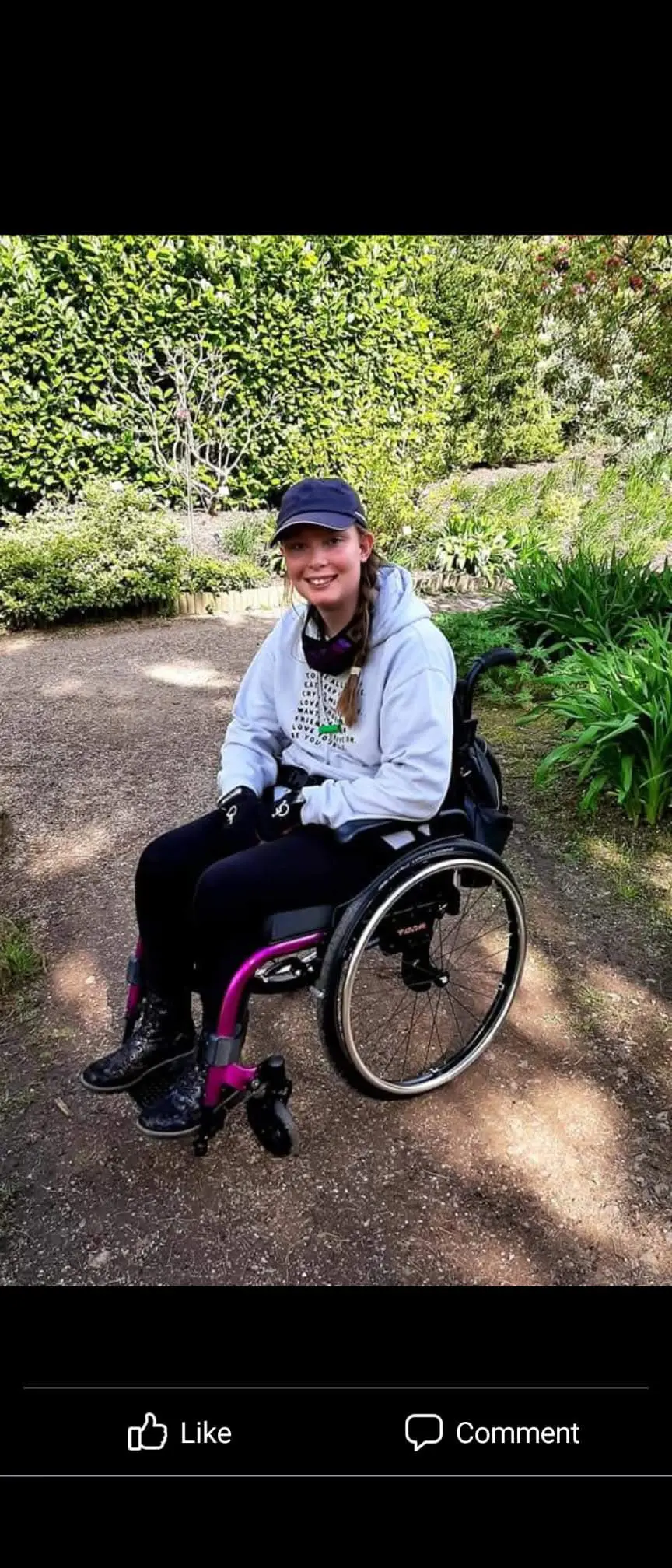
“I had a long list of misdiagnoses, and I had been getting worse each year. Since the PANS diagnosis, I have been slowly getting better each year.”
There are lots of other online courses for 16+ from a variety of different providers. Some are more structured like school, and some are more self-driven. In hindsight, I wish I had known about the OU straight out of high school. I didn’t realise then, but if a parent signs on your behalf you can start at 16, even with no formal qualifications as the OU offers access modules. While socialising isn’t as easy if you are studying online, the OU provide optional in-person meet ups and some modules have either optional or compulsory residentials. Personally, I’ve worked to find places in my local community like my local young farmers club, and a Pilates class; these give me a chance to socialise and to feel more independent.
My advice is that there’s no need to rush, and no shame in taking a slower path. In hindsight, taking that first year slowly after my GCSEs was better for me in the long run, but it was heartbreaking at the time. There are many times I’ve felt that something going wrong is the end of the world, I can promise you it is not. There is hope, and things do get better. Positive changes are often so subtle that unless you look for them, they’ll pass you right on by. So, be your honest, true and authentic self, and things will work out in the end.
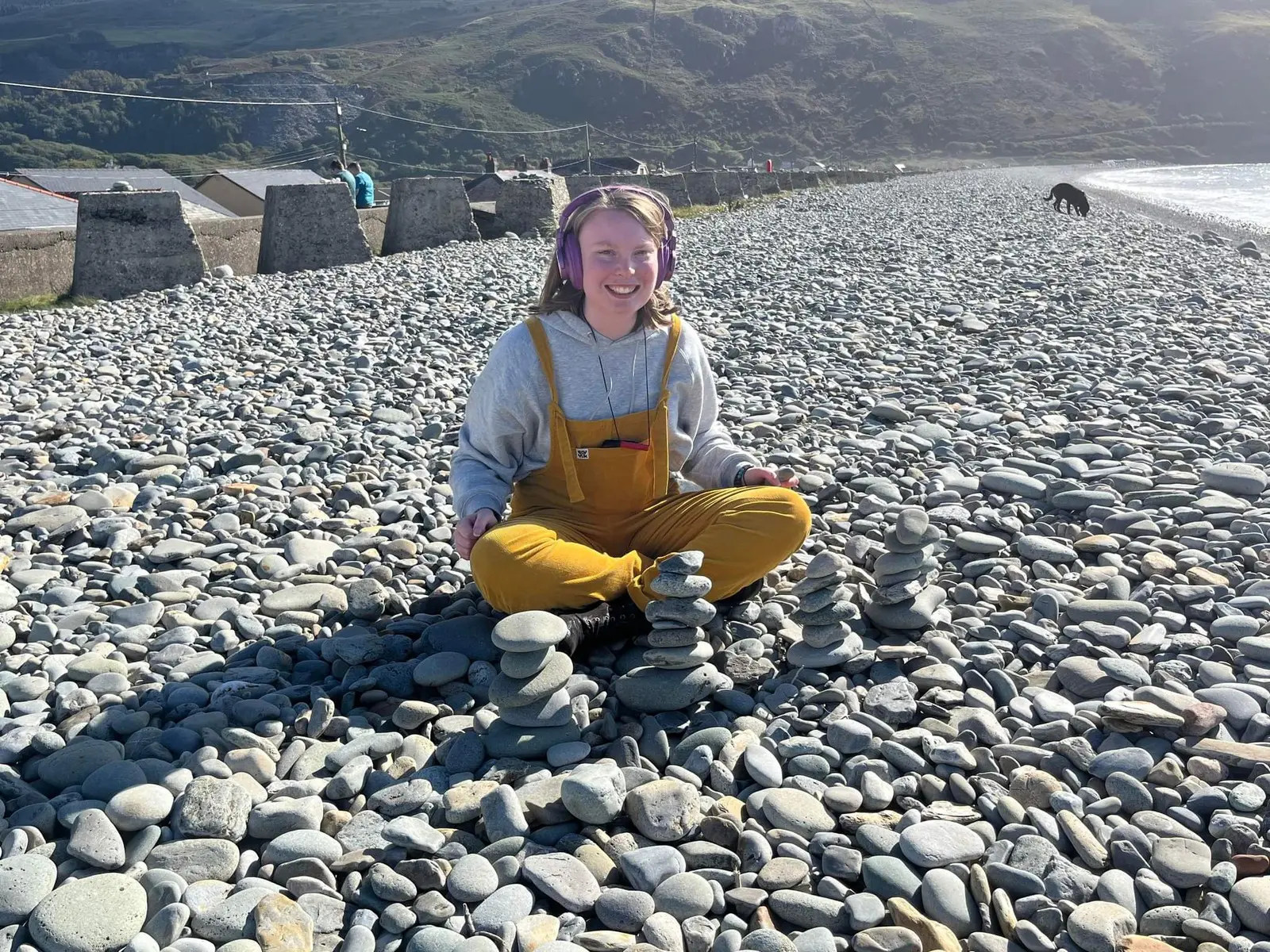
“My advice is that there’s no need to rush, and no shame in taking a slower path. “
Resources I have found useful during my education journey:
National Extension College
https://www.nec.ac.uk/
The Duke of Edinburgh Award
https://www.dofe.org/
Cyber First
https://www.ncsc.gov.uk/cyberfirst/overview
The Open University
https://www.open.ac.uk/
Thank you Ellen
Ellen is a member of the PANS PANDAS UK Youth Advisory Board, find out more here.
If you would like to write a guest blog for PANS PANDAS UK, please use this form to get in touch.
The views, opinions, and experiences shared in guest blogs belong solely to the author/s and do not necessarily reflect the views of PANS PANDAS UK. The charity does not endorse, recommend, or evaluate individual products, treatments, or services. Content is provided for general information only and should not be interpreted as medical, educational, or professional advice.
