


Guest blog by Hannah Downing
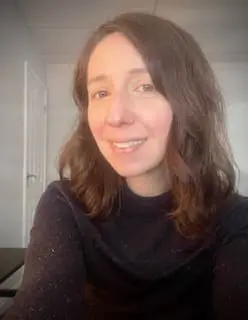
Hannah Downing is a Psychodynamic Therapist and parent of five-year-old son living with PANDAS. Hannah wanted to write a guest blog to share her family’s story, and to provide strategic support to other PANS and PANDAS parents.
When our world changed
At first, I did not know what was happening to my son. There was shock and confusion. I assumed this was a typical five-year-old phase, something that would pass with time and guidance. It did not. The changes grew quietly and relentlessly, gradually revealing a new and unfamiliar reality.
Then came deep loss. Where was my son? Where had he gone? I missed him intensely. Many parents of children experiencing PANS or PANDAS describe their child being overtaken by something external, almost possessed, and this is exactly how it felt from my perspective. It was as if a force outside him had stepped in, steering his thoughts, his fears, and his actions.
Where he had once been able to pause and reflect, that capacity was gone. Every emotion, joy, sadness, curiosity, and fear surged uncontrollably. Fears became nightmarish, dreamlike, and amplified beyond reason. Much of what he said sounded surreal, untethered from the world around him
Obsessions and compulsions
Anxiety coursed through him and through me. I had never witnessed this intensity before. It was limitless, eruptive, and chaotic. It triggered compulsions and repetitive behaviours in an attempt to regain control where control was impossible. These compulsions were nothing like the OCD I had encountered in my work as a psychotherapist. In clinical practice, obsessive thinking is often shaped by cognitive patterns or developmental anxieties. This was different. The compulsions were sudden, consuming, almost foreign to everything I knew. They were biological, urgent, and overwhelming.
This was serious. This was, and still is, traumatic.
My son had always been thriving. His emotional awareness, his empathy, and his curiosity were remarkable. He was capable, playful, and intelligent. Then he seemed gone. School had no answers. They looked to me, suggesting I might be causing the problem. The GP had no solutions beyond counselling. Even urgent care lines were unable to help. We were isolated, searching desperately for understanding.
Then I found PANDAS. Every symptom aligned. Finally, it made sense. Relief was brief. The route to care would largely be private, while waiting for public services to catch up.
“PANDAS took both my son and I to depths that neither of us had ever known.
Trauma for PANS and PANDAS parents is rarely spoken about, yet it is profound. There must be support for the adults in these families, as well as the children.”
Life as a PANDAS parent
The journey drained my energy, my finances, and my trust in systems I had believed in. As a single parent, the burden was heavier still. Loneliness crept in, sharp and unrelenting.
PANDAS took both my son and I to depths that neither of us had ever known. Each day brought new uncertainty. Each flare was a storm that neither of us could anticipate. As his parent, I had to maintain a sense of safety for him, even while being traumatised and re-traumatised on a daily basis. The anxiety, the fear, the chaos was relentless. Trauma for PANS and PANDAS parents is rarely spoken about, yet it is profound. There must be support for the adults in these families, as well as the children.
I have been fortunate to have training, awareness, and personal therapy through my work as a psychotherapist. That experience gave me a headstart in recognising my own responses and identifying my own traumas. Even so, the intensity of PANDAS has tested me in ways that no professional framework could fully anticipate.
To provide a true sense of safety for a child with PANS or PANDAS, the traumas stirred up in the parent need recognition and care. This is not a weakness. It is human, it is understandable, and it is part of sustaining the family. Seeking support, whether through therapy, parent networks, or PANS PANDAS UK resources, is essential. It allows you to remain grounded, present, and able to protect and nurture your child even in the most turbulent times.
This journey is not easy, and it is rarely seen. Yet through vigilance, care, and love, families can navigate the turbulence of PANS and PANDAS. The path may feel isolating, but you are not alone. Each day of understanding, connection, and advocacy is a step toward resilience, hope, and a future where your child is seen and supported.
Finding hope
Amid the chaos, a thread of warmth persisted. The bond between my son and I grew stronger. I kept him safe from himself, from others, and from a world that did not yet understand him. I learned to care for myself in new ways. Together, we became healthier than ever, because we had no other choice.
The surreal quality of the symptoms, the dreamlike distortions, reminded me of the importance of observing without judgement. Sometimes, the external chaos can mirror the internal world of a parent trying to make sense of a child who is suddenly unrecognisable. These moments of reflection, however brief, allowed me to sustain empathy, curiosity, and hope.
Strategies for supporting your family
Practical strategies and support are vital for parents navigating PANS and PANDAS. I wanted to share some of the techniques that have supported me and my family:
Trust your observations
You know your child best. Track symptoms, flares, and behavioural changes. Even small details matter when advocating for care and understanding.
Protect the parent-child bond
Safety and connection are paramount. Daily rituals, reading together, shared meals, and calm routines where possible, preserve attachment and trust even in turbulent times.
Prioritise your own wellbeing
Your energy is a resource. Rest, exercise, small moments of calm, and support from friends or professionals are not indulgences. They are survival tools.
Build knowledge and resources
Learn everything you can about PANS and PANDAS. Resources from PANS PANDAS UK are invaluable, including family information, guidance on services, educational materials, and advice for advocacy. Being informed gives you clarity and confidence when navigating medical and educational systems.
Connect with other parents
Parent communities are essential. They offer validation, empathy, practical strategies, and a sense that you are not alone. Joining PANS PANDAS UK parent support groups provides connection to others who truly understand the journey, helping you share challenges, celebrate progress, and find strength.
Seek professional allies
Doctors, therapists, and educators familiar with PANS and PANDAS are critical. Even a single informed professional can guide care, support interventions, and reduce misdiagnosis.
Plan for flares
Have strategies in place for heightened symptoms. Calm spaces, grounding activities, and agreed boundaries protect your child and those around them.
Document everything
Keep detailed records of symptoms, appointments, and communications. These logs are vital for medical, educational, and legal advocacy.
Reframe symptoms
Anxiety, irritability, and compulsions are symptoms, not moral failings. Understanding this helps parents respond with compassion rather than frustration.
Celebrate small wins
Recovery is non-linear. Treasure moments of clarity, emotional connection, and stability. They are victories in a complex journey.
Use PANS PANDAS UK’s resources
Their guides, webinars, and downloadable materials provide crucial information on services, treatment pathways, and support networks. Staying connected to these resources helps you feel less isolated, better informed, and more capable of supporting your child.
Thank you Hannah
If you would like to write a guest blog for PANS PANDAS UK, please use this form to get in touch.
The views, opinions, and experiences shared in guest blogs belong solely to the author/s and do not necessarily reflect the views of PANS PANDAS UK. The charity does not endorse, recommend, or evaluate individual products, treatments, or services. Content is provided for general information only and should not be interpreted as medical, educational, or professional advice.
