

PANS PANDAS debate gains momentum in Parliament

In June 2026, Parliament took an important step forward in recognising the challenges faced by everyone living with PANS and PANDAS, with a dedicated backbench debate shining a national spotlight on these conditions.
This article explains what this significant step may mean for families affected by PANS and PANDAS.
‘It is time for the Government to do their part, and eliminate the barriers to diagnosis and treatment for those living with PANS PANDAS’.
– Freddie van Mierlo MP.
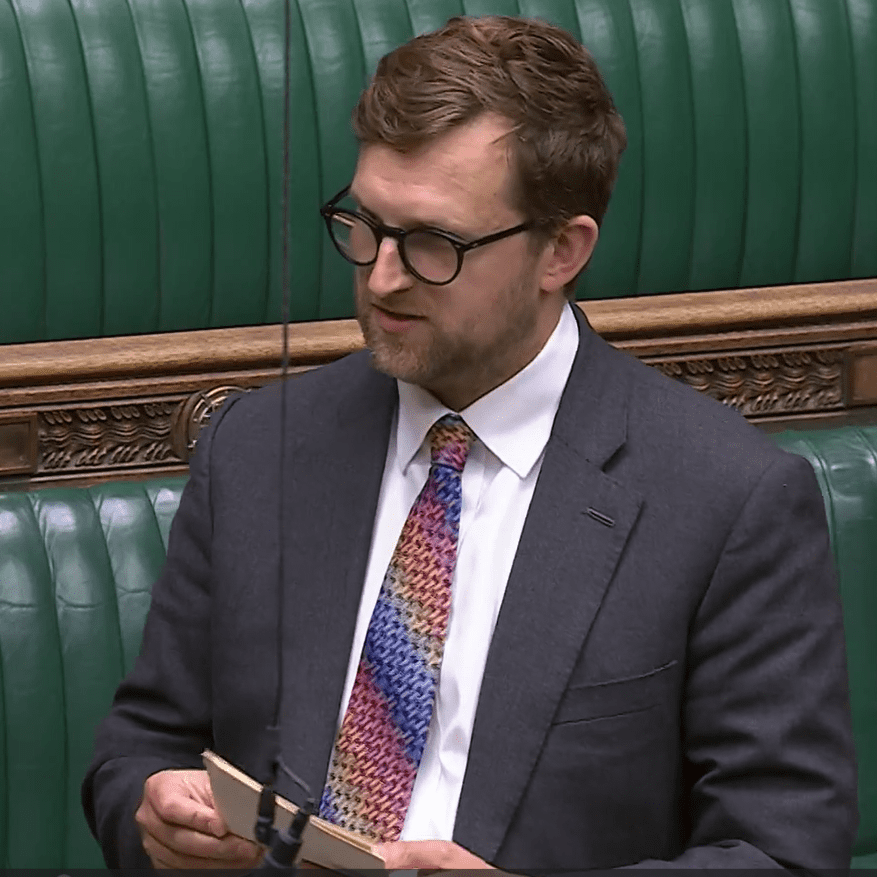
This is the message which came across loud and clear in Parliament last week, as MPs gathered to bring much-needed attention to the conditions and to call upon the Government to take action to improve experiences and outcomes for people living with PANS and PANDAS.
On the record
During the debate, MPs emphasised the significant challenges families face in obtaining timely diagnosis and consistent care. Many described a postcode lottery in awareness and service provision across the UK, with some families waiting months or even years for appropriate assessment and treatment.
Speakers also acknowledged the emotional, educational, and financial impact on families detailing how parents are frequently left to navigate a fragmented system, often having to advocate strongly for their child in the face of limited clinical recognition.
MPs repeatedly stressed the need for earlier intervention and highlighted the urgency of removing current barriers to care, acknowledging on record the risk to children’s lives posed by delays and misdiagnosis.
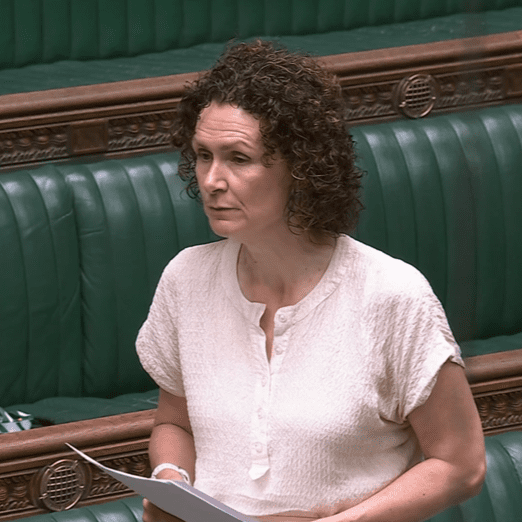
“When the conditions are identified early, outcomes are significantly better […]. However, people are very much experiencing the opposite to that. They are experiencing delay, confusion and inconsistency.”
– Wendy Chamberlain MP.
Education and Healthcare
PANS PANDAS UK welcomes the attention brought by MPs in the debate to the fact that these conditions affect whole families, and that it is not solely children and young people who are affected but also that the conditions can persist into adulthood or, in the case of PANS, even begin in adulthood.
The education impact of PANS and PANDAS was also a clear and urgent theme throughout the debate, with MPs highlighting how quickly a child’s or young person’s ability to engage in learning can change. Children or young people who were previously thriving can become too unwell to attend school, often for extended periods, while also losing skills they had already secured. This sudden disruption leaves many feeling left behind both academically and socially, reinforcing that this is not a gradual SEND profile but an often acute and frightening change.
Crucially, MPs emphasised how often these changes are misunderstood in education settings, with symptoms misinterpreted as behaviour rather than a medical issue, delaying the right support.
We were also pleased to hear speakers stress the need for the forthcoming clinical guideline and local authority guidance to be embedded consistently across England, and, with health and education being devolved, for equivalent guidance and alignment across Scotland, Wales and Northern Ireland so that children and young people with PANS and PANDAS receive timely, appropriate care and support regardless of where they live.
Calls for action
A number of priorities were outlined by MPs throughout the debate, including:
- Greater investment in research to strengthen the evidence base and improve understanding of PANS and PANDAS
- A commitment from the Government to take steps to ensure that the forthcoming clinical guideline, and the guidance for Local Authorities, are disseminated and embedded consistently across the UK
- Better coordination between health, education, and social care services to ensure children receive holistic support
Ministerial response
‘These conditions cause significant distress to many children and young people and their families. It is therefore vital that we approach this issue with both scientific care and genuine compassion, recognising and responding to the lived experiences of those affected.’
– Parliamentary Under-Secretary of State for Health and Social Care.
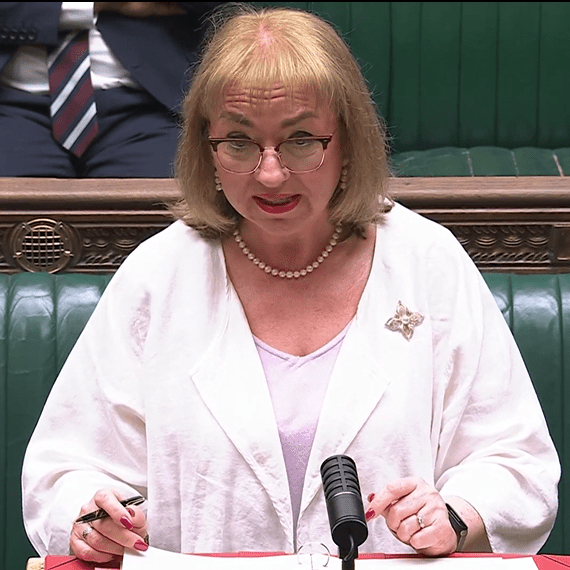
Responding on behalf of the Government, the Parliamentary Under-Secretary of State for Health and Social Care, Mrs Sharon Hodgson, acknowledged the seriousness of the concerns raised and the need for effective, coordinated care and holistic support across services. She commended PANS PANDAS UK and welcomed the work of the PANS PANDAS Steering Group and the initiatives they are undertaking to improve services and strengthen recognition of the conditions. She committed to raising the issue with devolved Government counterparts. She also acknowledged the clear need for more high-quality research to better understand the causes of PANS and PANDAS, improve diagnosis and strengthen evidence on which treatments are most effective.
A step forward
For the UK PANS PANDAS community, the debate represents a meaningful step forward in raising the profile of PANS and PANDAS at a national level. It is the culmination of years of advocacy by the community and the charity, to ensure that everyone affected by these conditions is seen, understood, and supported.
While there is still much work to be done, this parliamentary discussion provides renewed momentum for change. We will continue to work closely and collaboratively with policymakers, clinicians, and the PANS PANDAS community to ensure that the awareness raised in the debate is translated into tangible improvements in care.
As the Shadow Minister, Dr Neil Shastri-Hurst, stated;
“Families do not experience this as a framework, action plan or written answer; they experience it as the moment when a child refuses food, compulsions appear, school attendance collapses or a parent is told that a professional has never heard of the condition. If the problem is complexity, inconsistency and a lack of recognition, the solution must be equal in its seriousness. The foundations have been set, and now we must all go further[…].
For families living with PANS PANDAS, progress will be measured by whether the next family gets an earlier answer, whether the next child is believed sooner, whether the next GP has somewhere to turn, and whether the next school understands. That is a fair and compassionate standard, and it is the one that the Government should now meet.”